

Wildfire smoke impacts
Wildfire smoke impacts present growing challenges for pharmaceutics, particularly in the areas of respiratory drug development, delivery systems, and public health preparedness. Wildfire smoke contains a complex mix of harmful pollutants, including fine particulate matter (PM2.5), carbon monoxide, volatile organic compounds (VOCs), and other toxic gases that can penetrate deep into the lungs. These pollutants exacerbate respiratory conditions like asthma, bronchitis, and COPD, increasing demand for inhalers, corticosteroids, and other therapeutic agents. Pharmaceutics must respond by formulating drugs that are not only effective under normal conditions but also during acute pollution events when lung inflammation and oxidative stress are heightened. Inhalation delivery systems, especially metered-dose and dry powder inhalers, must be optimized to ensure consistent dosing even when lung function is compromised.
In addition to affecting patients, wildfire smoke impacts pharmaceutical operations. Smoke can infiltrate manufacturing and storage facilities, affecting air quality and potentially compromising sterile environments if not adequately filtered. For temperature- and humidity-sensitive products, smoke-related environmental changes may impact stability. Furthermore, during wildfire seasons, disruptions to transportation and supply chains can delay drug distribution, affecting availability in high-risk regions. Pharmaceutics must, therefore, consider wildfire-related air quality trends in risk assessments, drug formulation, packaging design, and emergency response planning to ensure continuity of care and product safety.
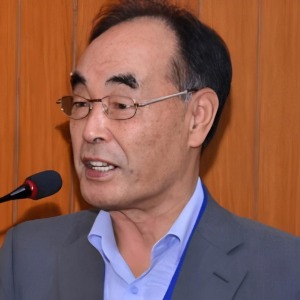
Dai Yeun Jeong
Asia Climate Change Education Center and Jeju National University, Korea, Republic of
Carme Ferre Pavia
Universitat Autonoma de Barcelona, Spain
Heather M Coleman
Ulster University, Ireland
Angela Vande
Vamde consulting, Canada
Bence Hernadi
University of Pannonia, Hungary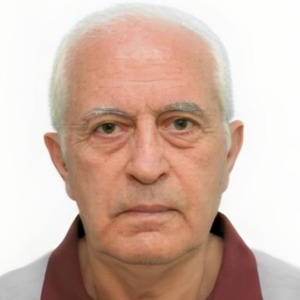
Tamaz Patarkalashvili
Technical University, Georgia


Title : Beyond 3R: The 4P proposal for strategic narratives on climate change
Carme Ferre Pavia, Universitat Autonoma de Barcelona, Spain
Title : Climate change and natural disasters: Predicting financial losses, managing volatility, and building financial resilience
Giuseppe Orlando, University of Bari, Italy
Title : Introducing the optimal carbon market: A comparative analysis of current conditions across four regions
Mohammad Imran Azizi, UNEP-Tongji Institute of Environment for Sustainable Development, China
Title : Turning waste into water treatment media: Waste-derived aggregates in nature-based solutions for treating diverse water matrices
Antonio Albuquerque, University of Beira Interior, Portugal
Title : Personalized, community- and population-related health in a changing and sustainable environment through the view of Personalized & Precision Healthcare (PPH): Its impact and role in preventing disease to maximize global health
Sergey Suchkov, N.D. Zelinskii Institute for Organic Chemistry of the Russian Academy of Sciences, Russian Federation
Title : Who bears the cost of a clean transition? Battery circularity and gender justice in India’s electric mobility shift
Sanoj, Jawaharlal Nehru University, Delhi, India