

Land Degradation, Desertification & Drylands
Water scarcity, soil degradation, and vegetation loss pose acute risks in arid regions. Land degradation, desertification & drylands addresses these interrelated challenges, focusing on the biophysical and socio-economic drivers of landscape deterioration. Researchers examine processes such as erosion, salinization, and loss of soil organic matter, often intensified by unsustainable land use, overgrazing, and climate change. Remote sensing and field-based assessments help map vulnerable areas and track restoration outcomes. Policy frameworks such as the UNCCD guide global responses, while local innovations—like agroforestry and water harvesting—are critical to building resilience. Land Degradation, Desertification & Drylands is pivotal in safeguarding food security, rural livelihoods, and ecosystem services across the world's most fragile zones. Restoring drylands requires a blend of indigenous practices, climate-smart agriculture, and long-term investment in land stewardship and policy coherence.
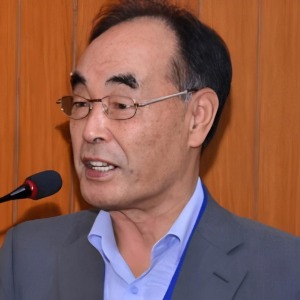
Dai Yeun Jeong
Asia Climate Change Education Center and Jeju National University, Korea, Republic of
Carme Ferre Pavia
Universitat Autonoma de Barcelona, Spain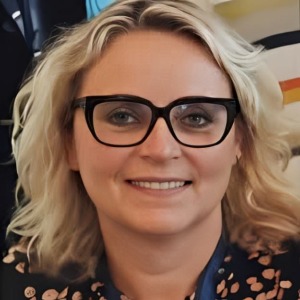
Heather M Coleman
Ulster University, Ireland
Angela Vande
Vamde consulting, Canada
Bence Hernadi
University of Pannonia, Hungary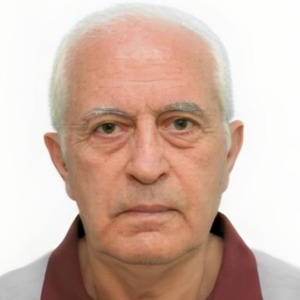
Tamaz Patarkalashvili
Technical University, Georgia


Title : Beyond 3R: The 4P proposal for strategic narratives on climate change
Carme Ferre Pavia, Universitat Autonoma de Barcelona, Spain
Title : Climate change and natural disasters: Predicting financial losses, managing volatility, and building financial resilience
Giuseppe Orlando, University of Bari, Italy
Title : Introducing the optimal carbon market: A comparative analysis of current conditions across four regions
Mohammad Imran Azizi, UNEP-Tongji Institute of Environment for Sustainable Development, China
Title : Turning waste into water treatment media: Waste-derived aggregates in nature-based solutions for treating diverse water matrices
Antonio Albuquerque, University of Beira Interior, Portugal
Title : Personalized, community- and population-related health in a changing and sustainable environment through the view of Personalized & Precision Healthcare (PPH): Its impact and role in preventing disease to maximize global health
Sergey Suchkov, N.D. Zelinskii Institute for Organic Chemistry of the Russian Academy of Sciences, Russian Federation
Title : Who bears the cost of a clean transition? Battery circularity and gender justice in India’s electric mobility shift
Sanoj, Jawaharlal Nehru University, Delhi, India