

Water scarcity
Water scarcity occurs when the demand for freshwater exceeds the available supply in a given area, leading to serious challenges for people, agriculture, and ecosystems. It can result from natural causes like drought and climate change or human factors such as overuse, pollution, and inefficient water management. Many regions around the world, especially in dry and densely populated areas, face water scarcity that affects drinking water availability, food production, sanitation, and economic development. Without enough clean water, health problems increase, and social tensions can rise, highlighting the urgent need for sustainable solutions.
To combat water scarcity, it is important to adopt integrated water management strategies that emphasize conservation, efficient use, and alternative water sources. Techniques like drip irrigation, rainwater harvesting, and wastewater recycling can significantly reduce water waste. Additionally, protecting wetlands and watersheds helps maintain natural water cycles and quality. Public awareness and strong policies supporting water sustainability are crucial to changing consumption patterns and ensuring fair access. As climate change and population growth put further pressure on water resources, global collaboration and innovation will be essential to secure a future where everyone has enough safe water to thrive. Only through combined efforts at individual, community, and governmental levels can the challenge of water scarcity be effectively addressed and overcome.
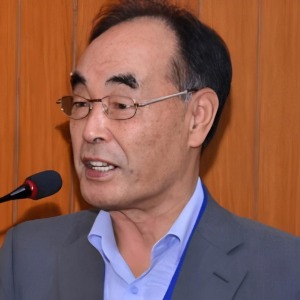
Dai Yeun Jeong
Asia Climate Change Education Center and Jeju National University, Korea, Republic of
Carme Ferre Pavia
Universitat Autonoma de Barcelona, Spain
Heather M Coleman
Ulster University, Ireland
Angela Vande
Vamde consulting, Canada
Bence Hernadi
University of Pannonia, Hungary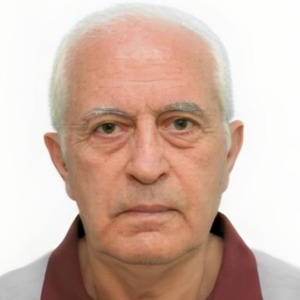
Tamaz Patarkalashvili
Technical University, Georgia


Title : Beyond 3R: The 4P proposal for strategic narratives on climate change
Carme Ferre Pavia, Universitat Autonoma de Barcelona, Spain
Title : Climate change and natural disasters: Predicting financial losses, managing volatility, and building financial resilience
Giuseppe Orlando, University of Bari, Italy
Title : Introducing the optimal carbon market: A comparative analysis of current conditions across four regions
Mohammad Imran Azizi, UNEP-Tongji Institute of Environment for Sustainable Development, China
Title : Turning waste into water treatment media: Waste-derived aggregates in nature-based solutions for treating diverse water matrices
Antonio Albuquerque, University of Beira Interior, Portugal
Title : Personalized, community- and population-related health in a changing and sustainable environment through the view of Personalized & Precision Healthcare (PPH): Its impact and role in preventing disease to maximize global health
Sergey Suchkov, N.D. Zelinskii Institute for Organic Chemistry of the Russian Academy of Sciences, Russian Federation
Title : Who bears the cost of a clean transition? Battery circularity and gender justice in India’s electric mobility shift
Sanoj, Jawaharlal Nehru University, Delhi, India