

Volatile organic compounds pollution
Volatile organic compounds (VOCs) pollution refers to the release of organic chemicals that easily vaporize at room temperature, contributing to air contamination and health hazards. Common sources include vehicle emissions, industrial processes, household products, paints, and solvents. VOCs can react with nitrogen oxides in sunlight to form ground-level ozone, a key component of smog, which affects respiratory health and aggravates conditions such as asthma. Long-term exposure to certain VOCs has been linked to liver, kidney, and central nervous system damage, as well as increased cancer risk. Managing VOC emissions is essential for protecting both human health and environmental quality.
Control strategies for VOC pollution include the use of low-emission paints, solvents, and fuels, along with improving industrial process efficiency to minimize leaks and fugitive emissions. Advanced treatment technologies such as activated carbon adsorption, biofiltration, and thermal oxidation help remove VOCs from exhaust streams. Monitoring air quality with sensors and remote sensing technology allows timely identification of hotspots and evaluation of control measures. Urban planning measures, like creating buffer zones around industrial areas, further reduce human exposure. Reducing VOC pollution not only safeguards public health but also improves urban air quality and contributes to climate mitigation. Strengthened regulations, combined with public education, enhance long-term effectiveness and sustainability of VOC management programs.
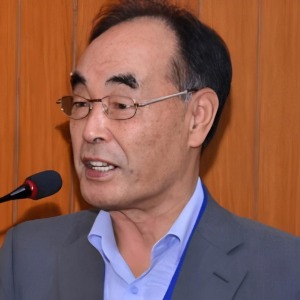
Dai Yeun Jeong
Asia Climate Change Education Center and Jeju National University, Korea, Republic of
Carme Ferre Pavia
Universitat Autonoma de Barcelona, Spain
Heather M Coleman
Ulster University, Ireland
Angela Vande
Vamde consulting, Canada
Bence Hernadi
University of Pannonia, Hungary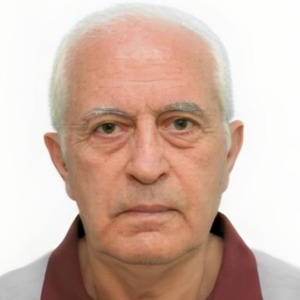
Tamaz Patarkalashvili
Technical University, Georgia


Title : Beyond 3R: The 4P proposal for strategic narratives on climate change
Carme Ferre Pavia, Universitat Autonoma de Barcelona, Spain
Title : Climate change and natural disasters: Predicting financial losses, managing volatility, and building financial resilience
Giuseppe Orlando, University of Bari, Italy
Title : Introducing the optimal carbon market: A comparative analysis of current conditions across four regions
Mohammad Imran Azizi, UNEP-Tongji Institute of Environment for Sustainable Development, China
Title : Turning waste into water treatment media: Waste-derived aggregates in nature-based solutions for treating diverse water matrices
Antonio Albuquerque, University of Beira Interior, Portugal
Title : Personalized, community- and population-related health in a changing and sustainable environment through the view of Personalized & Precision Healthcare (PPH): Its impact and role in preventing disease to maximize global health
Sergey Suchkov, N.D. Zelinskii Institute for Organic Chemistry of the Russian Academy of Sciences, Russian Federation
Title : Who bears the cost of a clean transition? Battery circularity and gender justice in India’s electric mobility shift
Sanoj, Jawaharlal Nehru University, Delhi, India