

UV radiation impacts
UV radiation impacts refer to the effects of ultraviolet (UV) light from the sun or artificial sources on living organisms, ecosystems, and materials. Overexposure to UV radiation can cause skin cancer, eye damage, and immune system suppression in humans. In plants, excessive UV can reduce photosynthesis, stunt growth, and damage leaf tissues, while in aquatic ecosystems, it can impair the development and survival of phytoplankton, zooplankton, and fish larvae. Additionally, UV radiation can accelerate the degradation of materials like plastics, paints, and wood, impacting infrastructure and manufactured products.
Mitigation strategies focus on both protection and monitoring. Personal protective measures include wearing clothing, sunglasses, and sunscreen, while environmental approaches involve planting vegetation for shade and designing UV-resistant materials. Monitoring UV levels using spectroradiometers or satellite data helps identify high-exposure regions and informs public health advisories. Policies and regulations, such as limits on artificial UV sources and ozone layer protection initiatives, also play a key role in reducing harmful exposure. By combining education, technological solutions, and regulatory measures, it is possible to minimize UV-related health risks and ecological damage. Implementing these strategies helps safeguard ecosystems and human populations while promoting long-term environmental resilience.
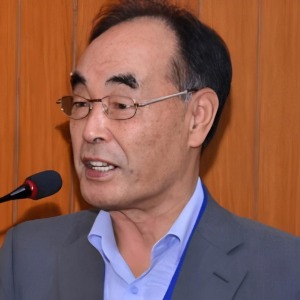
Dai Yeun Jeong
Asia Climate Change Education Center and Jeju National University, Korea, Republic of
Carme Ferre Pavia
Universitat Autonoma de Barcelona, Spain
Heather M Coleman
Ulster University, Ireland
Angela Vande
Vamde consulting, Canada
Bence Hernadi
University of Pannonia, Hungary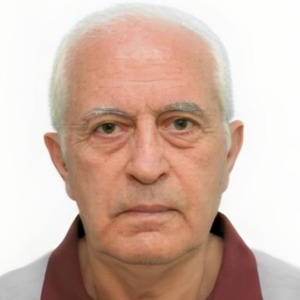
Tamaz Patarkalashvili
Technical University, Georgia


Title : Beyond 3R: The 4P proposal for strategic narratives on climate change
Carme Ferre Pavia, Universitat Autonoma de Barcelona, Spain
Title : Climate change and natural disasters: Predicting financial losses, managing volatility, and building financial resilience
Giuseppe Orlando, University of Bari, Italy
Title : Introducing the optimal carbon market: A comparative analysis of current conditions across four regions
Mohammad Imran Azizi, UNEP-Tongji Institute of Environment for Sustainable Development, China
Title : Turning waste into water treatment media: Waste-derived aggregates in nature-based solutions for treating diverse water matrices
Antonio Albuquerque, University of Beira Interior, Portugal
Title : Personalized, community- and population-related health in a changing and sustainable environment through the view of Personalized & Precision Healthcare (PPH): Its impact and role in preventing disease to maximize global health
Sergey Suchkov, N.D. Zelinskii Institute for Organic Chemistry of the Russian Academy of Sciences, Russian Federation
Title : Who bears the cost of a clean transition? Battery circularity and gender justice in India’s electric mobility shift
Sanoj, Jawaharlal Nehru University, Delhi, India