

Urban biodiversity enhancement
Urban biodiversity enhancement refers to efforts to increase and protect the variety of plant and animal species within city environments. Despite urban areas being heavily built-up, they can serve as important habitats for wildlife and contribute to overall ecosystem health. Enhancing urban biodiversity involves creating green spaces such as parks, green roofs, community gardens, and wildlife corridors that support native species. It also means managing urban environments to reduce pollution, control invasive species, and promote ecological balance. Healthy urban ecosystems provide essential services like air purification, temperature regulation, and flood mitigation.
Incorporating biodiversity into city planning not only benefits wildlife but also improves human well-being by offering recreational spaces, improving mental health, and fostering a connection with nature. Innovative approaches like integrating native plants into landscaping, preserving wetlands, and installing bird-friendly building designs are gaining popularity. Collaboration among local governments, communities, and environmental groups is key to successful urban biodiversity programs. As cities grow, prioritizing biodiversity ensures resilient, livable urban areas that contribute to global conservation efforts. Urban biodiversity enhancement strengthens the natural fabric of cities and supports sustainable living. It fosters harmony between people and nature, creating vibrant, resilient urban ecosystems. Protecting urban wildlife is essential for a balanced and healthy future for all city dwellers.
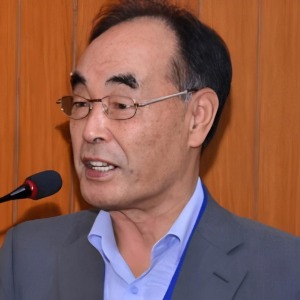
Dai Yeun Jeong
Asia Climate Change Education Center and Jeju National University, Korea, Republic of
Carme Ferre Pavia
Universitat Autonoma de Barcelona, Spain
Heather M Coleman
Ulster University, Ireland
Angela Vande
Vamde consulting, Canada
Bence Hernadi
University of Pannonia, Hungary
Tamaz Patarkalashvili
Technical University, Georgia


Title : Beyond 3R: The 4P proposal for strategic narratives on climate change
Carme Ferre Pavia, Universitat Autonoma de Barcelona, Spain
Title : Climate change and natural disasters: Predicting financial losses, managing volatility, and building financial resilience
Giuseppe Orlando, University of Bari, Italy
Title : Introducing the optimal carbon market: A comparative analysis of current conditions across four regions
Mohammad Imran Azizi, UNEP-Tongji Institute of Environment for Sustainable Development, China
Title : Turning waste into water treatment media: Waste-derived aggregates in nature-based solutions for treating diverse water matrices
Antonio Albuquerque, University of Beira Interior, Portugal
Title : Personalized, community- and population-related health in a changing and sustainable environment through the view of Personalized & Precision Healthcare (PPH): Its impact and role in preventing disease to maximize global health
Sergey Suchkov, N.D. Zelinskii Institute for Organic Chemistry of the Russian Academy of Sciences, Russian Federation
Title : Who bears the cost of a clean transition? Battery circularity and gender justice in India’s electric mobility shift
Sanoj, Jawaharlal Nehru University, Delhi, India