

Stratospheric ozone recovery
Stratospheric ozone recovery refers to the gradual restoration of the ozone layer in the Earth’s stratosphere, following reductions in ozone-depleting substances (ODS) such as chlorofluorocarbons (CFCs) and halons. Thanks to international agreements like the Montreal Protocol, global emissions of ODS have declined significantly, allowing natural processes to rebuild ozone concentrations. Recovery of the ozone layer is crucial for shielding life on Earth from harmful ultraviolet (UV) radiation, which can cause skin cancer, cataracts, and immune system suppression in humans, as well as disrupt ecosystems and impair agricultural productivity. Continued vigilance is needed to prevent new chemicals or practices from undermining these gains.
Monitoring and research play a key role in tracking stratospheric ozone recovery. Satellites, ground-based instruments, and atmospheric models are used to measure ozone concentrations, assess seasonal variations, and predict future trends. Continued adherence to international protocols, coupled with public awareness and technological innovation, ensures that ozone-depleting chemicals remain minimized. Recovery also has co-benefits for climate change mitigation, as many ODS are potent greenhouse gases. Sustained global cooperation and scientific monitoring are essential to ensure that the ozone layer fully recovers, protecting both human health and ecological integrity for future generations. Public education and investment in green technologies further support the long-term resilience of the ozone layer.
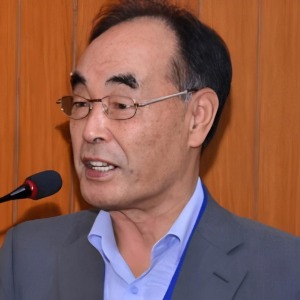
Dai Yeun Jeong
Asia Climate Change Education Center and Jeju National University, Korea, Republic of
Carme Ferre Pavia
Universitat Autonoma de Barcelona, Spain
Heather M Coleman
Ulster University, Ireland
Angela Vande
Vamde consulting, Canada
Bence Hernadi
University of Pannonia, Hungary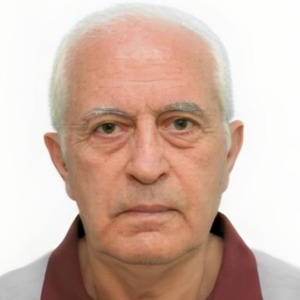
Tamaz Patarkalashvili
Technical University, Georgia


Title : Beyond 3R: The 4P proposal for strategic narratives on climate change
Carme Ferre Pavia, Universitat Autonoma de Barcelona, Spain
Title : Climate change and natural disasters: Predicting financial losses, managing volatility, and building financial resilience
Giuseppe Orlando, University of Bari, Italy
Title : Introducing the optimal carbon market: A comparative analysis of current conditions across four regions
Mohammad Imran Azizi, UNEP-Tongji Institute of Environment for Sustainable Development, China
Title : Turning waste into water treatment media: Waste-derived aggregates in nature-based solutions for treating diverse water matrices
Antonio Albuquerque, University of Beira Interior, Portugal
Title : Personalized, community- and population-related health in a changing and sustainable environment through the view of Personalized & Precision Healthcare (PPH): Its impact and role in preventing disease to maximize global health
Sergey Suchkov, N.D. Zelinskii Institute for Organic Chemistry of the Russian Academy of Sciences, Russian Federation
Title : Who bears the cost of a clean transition? Battery circularity and gender justice in India’s electric mobility shift
Sanoj, Jawaharlal Nehru University, Delhi, India