

Pollution prevention
Pollution prevention focuses on stopping pollution before it happens by reducing waste and harmful emissions at the source. This proactive approach is more effective and less costly than cleaning up pollution afterward. It includes practices like using energy-efficient technologies, reducing plastic use, recycling materials, and minimizing the use of toxic substances. By preventing pollutants from entering the air, water, and soil, we protect ecosystems, conserve resources, and reduce health risks for people and wildlife.
Both individuals and industries have vital roles in pollution prevention. Governments create policies and regulations to limit emissions and encourage sustainable practices, while businesses adopt cleaner production methods and waste reduction techniques. People can contribute by making eco-friendly choices, such as using reusable products, conserving energy, and supporting green initiatives. Education and awareness help build a culture of prevention, empowering everyone to act responsibly. Pollution prevention is essential for creating a healthier environment and a sustainable future. Every effort, big or small, helps protect our planet and ensures a better quality of life for generations to come. Together, we can make pollution prevention a way of life. Taking responsibility today means a cleaner, safer Earth tomorrow. Our collective actions today will determine the world we leave behind.
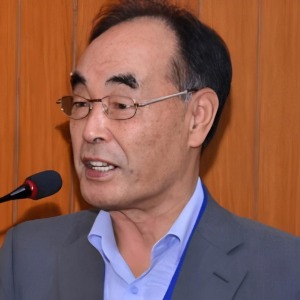
Dai Yeun Jeong
Asia Climate Change Education Center and Jeju National University, Korea, Republic of
Carme Ferre Pavia
Universitat Autonoma de Barcelona, Spain
Heather M Coleman
Ulster University, Ireland
Angela Vande
Vamde consulting, Canada
Bence Hernadi
University of Pannonia, Hungary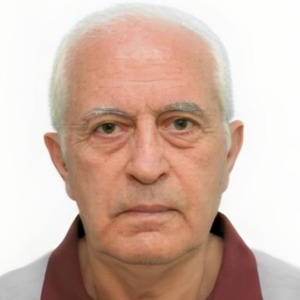
Tamaz Patarkalashvili
Technical University, Georgia


Title : Beyond 3R: The 4P proposal for strategic narratives on climate change
Carme Ferre Pavia, Universitat Autonoma de Barcelona, Spain
Title : Climate change and natural disasters: Predicting financial losses, managing volatility, and building financial resilience
Giuseppe Orlando, University of Bari, Italy
Title : Introducing the optimal carbon market: A comparative analysis of current conditions across four regions
Mohammad Imran Azizi, UNEP-Tongji Institute of Environment for Sustainable Development, China
Title : Turning waste into water treatment media: Waste-derived aggregates in nature-based solutions for treating diverse water matrices
Antonio Albuquerque, University of Beira Interior, Portugal
Title : Personalized, community- and population-related health in a changing and sustainable environment through the view of Personalized & Precision Healthcare (PPH): Its impact and role in preventing disease to maximize global health
Sergey Suchkov, N.D. Zelinskii Institute for Organic Chemistry of the Russian Academy of Sciences, Russian Federation
Title : Who bears the cost of a clean transition? Battery circularity and gender justice in India’s electric mobility shift
Sanoj, Jawaharlal Nehru University, Delhi, India