

Invasive species control
Invasive species control is a crucial component of environmental conservation aimed at managing or eradicating non-native plants, animals, and microorganisms that disrupt local ecosystems. Invasive species often outcompete native species for resources, alter habitats, and cause significant economic and ecological damage. Controlling these species involves a variety of methods such as physical removal, chemical treatments, biological controls using natural predators, and public education to prevent their spread. Effective invasive species control helps restore the balance of ecosystems, protects biodiversity, and supports the health of native plants and wildlife.
Managing invasive species is not only vital for ecosystem integrity but also for protecting agriculture, fisheries, and water resources that communities depend on. Early detection and rapid response are key strategies, as controlling invasions becomes more difficult and costly once species are well-established. Collaborative efforts between governments, scientists, landowners, and volunteers are essential in tackling this global challenge. By prioritizing invasive species control, we can safeguard native habitats, enhance ecosystem resilience, and promote sustainable environmental stewardship for generations to come. Public involvement and continuous monitoring are also critical to ensure long-term success in managing invasive species. Additionally, restoring native vegetation after removal helps prevent reinvasion and supports ecosystem recovery. Together, these efforts contribute to healthier, more resilient environments worldwide.
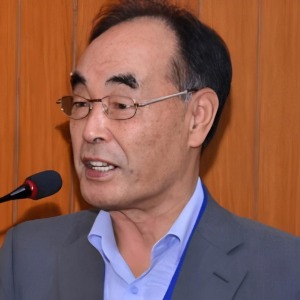
Dai Yeun Jeong
Asia Climate Change Education Center and Jeju National University, Korea, Republic of
Carme Ferre Pavia
Universitat Autonoma de Barcelona, Spain
Heather M Coleman
Ulster University, Ireland
Angela Vande
Vamde consulting, Canada
Bence Hernadi
University of Pannonia, Hungary
Tamaz Patarkalashvili
Technical University, Georgia


Title : Beyond 3R: The 4P proposal for strategic narratives on climate change
Carme Ferre Pavia, Universitat Autonoma de Barcelona, Spain
Title : Climate change and natural disasters: Predicting financial losses, managing volatility, and building financial resilience
Giuseppe Orlando, University of Bari, Italy
Title : Introducing the optimal carbon market: A comparative analysis of current conditions across four regions
Mohammad Imran Azizi, UNEP-Tongji Institute of Environment for Sustainable Development, China
Title : Turning waste into water treatment media: Waste-derived aggregates in nature-based solutions for treating diverse water matrices
Antonio Albuquerque, University of Beira Interior, Portugal
Title : Personalized, community- and population-related health in a changing and sustainable environment through the view of Personalized & Precision Healthcare (PPH): Its impact and role in preventing disease to maximize global health
Sergey Suchkov, N.D. Zelinskii Institute for Organic Chemistry of the Russian Academy of Sciences, Russian Federation
Title : Who bears the cost of a clean transition? Battery circularity and gender justice in India’s electric mobility shift
Sanoj, Jawaharlal Nehru University, Delhi, India