

Hazardous Waste Management Officer
Industrial growth and urban expansion have increased the complexity of handling toxic byproducts, making safe management of hazardous materials an urgent priority. The responsibilities of a hazardous waste management officer extend far beyond routine monitoring, encompassing the design of containment systems, coordination of emergency response protocols, and collaboration with regulatory bodies to enforce compliance. By applying scientific expertise and risk assessment tools, they ensure that dangerous substances are treated, stored, transported, and disposed of without causing long-term harm to public health or fragile ecosystems. Their role underscores the importance of preventive strategies that minimize environmental damage before it occurs.
In addition to technical oversight, effective communication and stakeholder engagement are central to success in this field. A hazardous waste management officer works closely with industries, municipalities, and local communities to foster awareness of safe practices, encourage waste reduction, and support innovation in treatment technologies. From developing training programs for frontline workers to advising on policies that promote sustainable alternatives, they act as a critical bridge between science, governance, and practice. Their leadership contributes to reducing contamination risks, promoting resource recovery, and advancing broader sustainability goals, making the role indispensable in creating a safer and cleaner future.
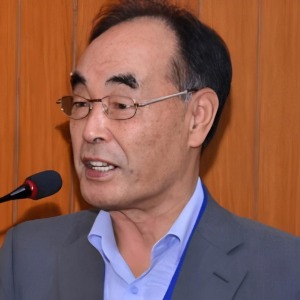
Dai Yeun Jeong
Asia Climate Change Education Center and Jeju National University, Korea, Republic of
Carme Ferre Pavia
Universitat Autonoma de Barcelona, Spain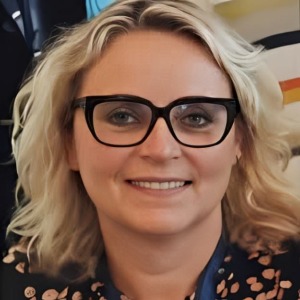
Heather M Coleman
Ulster University, Ireland
Angela Vande
Vamde consulting, Canada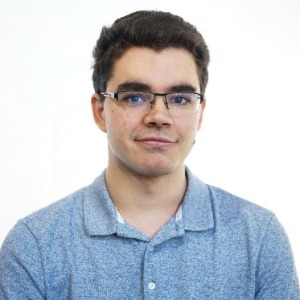
Bence Hernadi
University of Pannonia, Hungary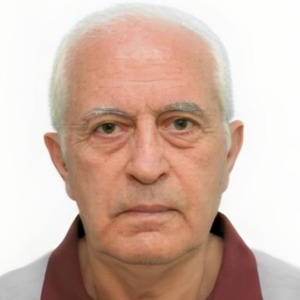
Tamaz Patarkalashvili
Technical University, Georgia


Title : Beyond 3R: The 4P proposal for strategic narratives on climate change
Carme Ferre Pavia, Universitat Autonoma de Barcelona, Spain
Title : Climate change and natural disasters: Predicting financial losses, managing volatility, and building financial resilience
Giuseppe Orlando, University of Bari, Italy
Title : Introducing the optimal carbon market: A comparative analysis of current conditions across four regions
Mohammad Imran Azizi, UNEP-Tongji Institute of Environment for Sustainable Development, China
Title : Turning waste into water treatment media: Waste-derived aggregates in nature-based solutions for treating diverse water matrices
Antonio Albuquerque, University of Beira Interior, Portugal
Title : Personalized, community- and population-related health in a changing and sustainable environment through the view of Personalized & Precision Healthcare (PPH): Its impact and role in preventing disease to maximize global health
Sergey Suchkov, N.D. Zelinskii Institute for Organic Chemistry of the Russian Academy of Sciences, Russian Federation
Title : Who bears the cost of a clean transition? Battery circularity and gender justice in India’s electric mobility shift
Sanoj, Jawaharlal Nehru University, Delhi, India