

Citizen science
Citizen science is increasingly recognized as a transformative approach to environmental research and monitoring, opening the scientific process to widespread participation. It engages individuals, communities, and organizations in tasks such as data collection, species identification, environmental mapping, and pollution monitoring. By broadening the scope of contributors, citizen science generates extensive datasets that professional researchers alone could not achieve, offering valuable insights into biodiversity trends, climate change impacts, and ecosystem health. The integration of citizen observations with scientific analysis enhances accuracy, scales up environmental monitoring efforts, and strengthens public trust in research outcomes. Citizen science thus demonstrates how collective participation can extend the reach of traditional scientific practices while fostering collaboration across disciplines and regions.
Equally significant are the social and educational dimensions of this approach. Citizen science fosters environmental literacy, deepens awareness of ecological challenges, and empowers participants to take active roles in sustainability efforts. Involvement often inspires stronger advocacy for conservation policies, linking scientific discovery with civic engagement. The use of digital tools, such as mobile applications, low-cost sensors, and interactive platforms, has further expanded access and impact, enabling people from diverse backgrounds to contribute meaningfully. Ultimately, citizen science illustrates that addressing global environmental challenges requires not only expert knowledge but also the active engagement of society as a whole, transforming research into a shared responsibility.
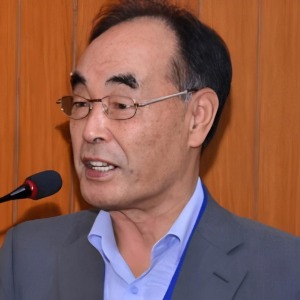
Dai Yeun Jeong
Asia Climate Change Education Center and Jeju National University, Korea, Republic of
Carme Ferre Pavia
Universitat Autonoma de Barcelona, Spain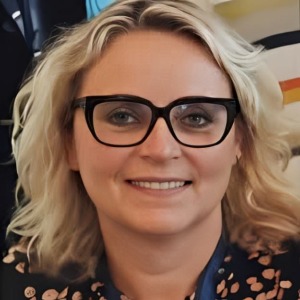
Heather M Coleman
Ulster University, Ireland
Angela Vande
Vamde consulting, Canada
Bence Hernadi
University of Pannonia, Hungary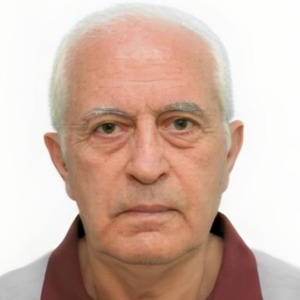
Tamaz Patarkalashvili
Technical University, Georgia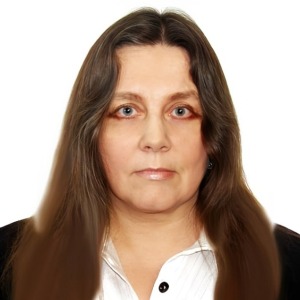


Title : Beyond 3R: The 4P proposal for strategic narratives on climate change
Carme Ferre Pavia, Universitat Autonoma de Barcelona, Spain
Title : Climate change and natural disasters: Predicting financial losses, managing volatility, and building financial resilience
Giuseppe Orlando, University of Bari, Italy
Title : Introducing the optimal carbon market: A comparative analysis of current conditions across four regions
Mohammad Imran Azizi, UNEP-Tongji Institute of Environment for Sustainable Development, China
Title : Turning waste into water treatment media: Waste-derived aggregates in nature-based solutions for treating diverse water matrices
Antonio Albuquerque, University of Beira Interior, Portugal
Title : Personalized, community- and population-related health in a changing and sustainable environment through the view of Personalized & Precision Healthcare (PPH): Its impact and role in preventing disease to maximize global health
Sergey Suchkov, N.D. Zelinskii Institute for Organic Chemistry of the Russian Academy of Sciences, Russian Federation
Title : Who bears the cost of a clean transition? Battery circularity and gender justice in India’s electric mobility shift
Sanoj, Jawaharlal Nehru University, Delhi, India