

Anaerobic digestion
Anaerobic digestion is a biological process where microorganisms break down organic matter in the absence of oxygen, producing biogas—a renewable energy source primarily composed of methane and carbon dioxide—and nutrient-rich digestate. This technology is widely used to manage waste such as agricultural residues, food waste, and sewage sludge, converting these materials into clean energy and valuable fertilizers. By capturing methane that would otherwise escape into the atmosphere, anaerobic digestion helps reduce greenhouse gas emissions and supports climate change mitigation efforts. The digestate produced can improve soil health by returning essential nutrients back to the land.
In the broader environment world, anaerobic digestion offers a sustainable solution for waste management, energy production, and environmental protection. It supports the circular economy by turning organic waste into renewable energy, reducing reliance on fossil fuels, and minimizing landfill use. Communities, farms, and industries are increasingly adopting anaerobic digestion systems to manage waste more efficiently while generating clean power. Additionally, this technology helps reduce odors and pathogens in waste, improving environmental quality. As the world seeks greener alternatives, anaerobic digestion plays a vital role in creating a cleaner, more resilient environment world while promoting sustainable resource use. Continued innovation and investment in anaerobic digestion can further enhance energy recovery and contribute significantly to global sustainability goals.
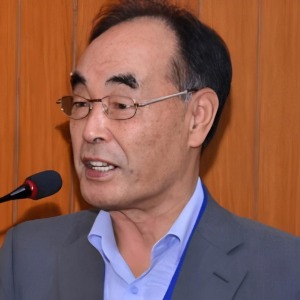
Dai Yeun Jeong
Asia Climate Change Education Center and Jeju National University, Korea, Republic of
Carme Ferre Pavia
Universitat Autonoma de Barcelona, Spain
Heather M Coleman
Ulster University, Ireland
Angela Vande
Vamde consulting, Canada
Bence Hernadi
University of Pannonia, Hungary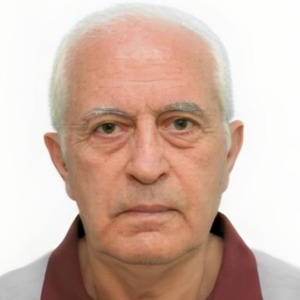
Tamaz Patarkalashvili
Technical University, Georgia


Title : Beyond 3R: The 4P proposal for strategic narratives on climate change
Carme Ferre Pavia, Universitat Autonoma de Barcelona, Spain
Title : Climate change and natural disasters: Predicting financial losses, managing volatility, and building financial resilience
Giuseppe Orlando, University of Bari, Italy
Title : Introducing the optimal carbon market: A comparative analysis of current conditions across four regions
Mohammad Imran Azizi, UNEP-Tongji Institute of Environment for Sustainable Development, China
Title : Turning waste into water treatment media: Waste-derived aggregates in nature-based solutions for treating diverse water matrices
Antonio Albuquerque, University of Beira Interior, Portugal
Title : Personalized, community- and population-related health in a changing and sustainable environment through the view of Personalized & Precision Healthcare (PPH): Its impact and role in preventing disease to maximize global health
Sergey Suchkov, N.D. Zelinskii Institute for Organic Chemistry of the Russian Academy of Sciences, Russian Federation
Title : Who bears the cost of a clean transition? Battery circularity and gender justice in India’s electric mobility shift
Sanoj, Jawaharlal Nehru University, Delhi, India