

Wind energy
Wind energy is a renewable power source generated by converting the natural movement of air into electricity using wind turbines. It is a clean alternative to fossil fuels, producing no greenhouse gas emissions or air pollutants during operation. Wind energy harnesses the kinetic energy of the wind, which spins turbine blades connected to a generator. With vast potential worldwide, wind power can be developed both on land (onshore) and at sea (offshore), where wind speeds tend to be stronger and more consistent. Advances in turbine technology and falling costs have made wind energy one of the most cost-effective sources of renewable electricity, contributing significantly to reducing global carbon footprints.
In addition to environmental benefits, wind energy offers economic and social advantages. It generates jobs in manufacturing, construction, and ongoing maintenance, often providing employment opportunities in rural and coastal communities. Wind farms also contribute to local economies through land leases and tax revenues. While wind energy is generally safe and sustainable, careful site planning is essential to minimize potential impacts on wildlife, including birds and bats, and to address community concerns such as noise and visual effects. Overall, wind energy is a key driver in the transition toward a cleaner, more sustainable energy future, playing a vital role in combating climate change and promoting energy independence.
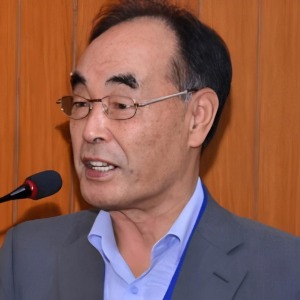
Dai Yeun Jeong
Asia Climate Change Education Center and Jeju National University, Korea, Republic of
Carme Ferre Pavia
Universitat Autonoma de Barcelona, Spain
Heather M Coleman
Ulster University, Ireland
Angela Vande
Vamde consulting, Canada
Bence Hernadi
University of Pannonia, Hungary
Tamaz Patarkalashvili
Technical University, Georgia


Title : Beyond 3R: The 4P proposal for strategic narratives on climate change
Carme Ferre Pavia, Universitat Autonoma de Barcelona, Spain
Title : Climate change and natural disasters: Predicting financial losses, managing volatility, and building financial resilience
Giuseppe Orlando, University of Bari, Italy
Title : Introducing the optimal carbon market: A comparative analysis of current conditions across four regions
Mohammad Imran Azizi, UNEP-Tongji Institute of Environment for Sustainable Development, China
Title : Turning waste into water treatment media: Waste-derived aggregates in nature-based solutions for treating diverse water matrices
Antonio Albuquerque, University of Beira Interior, Portugal
Title : Personalized, community- and population-related health in a changing and sustainable environment through the view of Personalized & Precision Healthcare (PPH): Its impact and role in preventing disease to maximize global health
Sergey Suchkov, N.D. Zelinskii Institute for Organic Chemistry of the Russian Academy of Sciences, Russian Federation
Title : Who bears the cost of a clean transition? Battery circularity and gender justice in India’s electric mobility shift
Sanoj, Jawaharlal Nehru University, Delhi, India