

Organic farming practices
Organic farming practices focus on cultivating crops and raising livestock without synthetic chemicals, pesticides, or genetically modified organisms. Instead, they rely on natural methods such as crop rotation, composting, biological pest control, and green manure to maintain soil fertility and manage pests. These practices promote healthy soil ecosystems, enhance biodiversity, and reduce pollution of air and water resources. By working with nature rather than against it, organic farming supports sustainable food production that protects the environment and safeguards human health.
The benefits of organic farming practices extend beyond environmental advantages to include economic and social gains. Organic farms often produce nutritious food with fewer chemical residues, meeting growing consumer demand for healthier options. Additionally, organic farming can improve resilience to climate change by increasing soil carbon storage and water retention. While organic methods may require more knowledge and labor, they foster stronger connections between farmers, consumers, and the land. As awareness of ecological impacts grows, organic farming practices offer a promising path toward a more sustainable and responsible agricultural future. Furthermore, organic farming supports rural communities by creating jobs and encouraging local economies. Embracing these practices contributes to a healthier planet and a more sustainable food system for all.
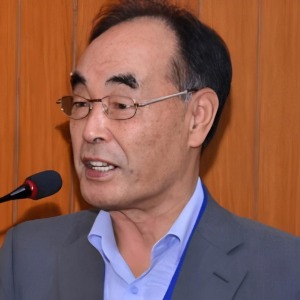
Dai Yeun Jeong
Asia Climate Change Education Center and Jeju National University, Korea, Republic of
Carme Ferre Pavia
Universitat Autonoma de Barcelona, Spain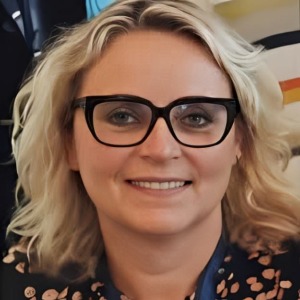
Heather M Coleman
Ulster University, Ireland
Angela Vande
Vamde consulting, Canada
Bence Hernadi
University of Pannonia, Hungary
Tamaz Patarkalashvili
Technical University, Georgia


Title : Beyond 3R: The 4P proposal for strategic narratives on climate change
Carme Ferre Pavia, Universitat Autonoma de Barcelona, Spain
Title : Climate change and natural disasters: Predicting financial losses, managing volatility, and building financial resilience
Giuseppe Orlando, University of Bari, Italy
Title : Introducing the optimal carbon market: A comparative analysis of current conditions across four regions
Mohammad Imran Azizi, UNEP-Tongji Institute of Environment for Sustainable Development, China
Title : Turning waste into water treatment media: Waste-derived aggregates in nature-based solutions for treating diverse water matrices
Antonio Albuquerque, University of Beira Interior, Portugal
Title : Personalized, community- and population-related health in a changing and sustainable environment through the view of Personalized & Precision Healthcare (PPH): Its impact and role in preventing disease to maximize global health
Sergey Suchkov, N.D. Zelinskii Institute for Organic Chemistry of the Russian Academy of Sciences, Russian Federation
Title : Who bears the cost of a clean transition? Battery circularity and gender justice in India’s electric mobility shift
Sanoj, Jawaharlal Nehru University, Delhi, India