

Environmental Planning and Permitting Officer
Effective environmental planning and permitting is essential for balancing development objectives with ecological sustainability. An environmental planning and permitting officer plays a critical role in reviewing, approving, and guiding projects to ensure compliance with environmental regulations while minimizing ecological impacts. These professionals evaluate proposed land use, infrastructure, and industrial projects, assessing potential effects on air, water, soil, biodiversity, and local communities. An environmental planning and permitting officer collaborates closely with developers, regulatory agencies, environmental consultants, and stakeholders to provide clear guidance on permit requirements, mitigation measures, and sustainable design practices. Their work involves conducting environmental assessments, reviewing compliance documentation, and recommending adaptive strategies to reduce environmental risks. Emerging trends, such as the integration of geographic information systems (GIS), environmental modeling, and digital permitting platforms, have enhanced the effectiveness of environmental planning and permitting officers by improving data accuracy and streamlining decision-making processes. Beyond regulatory oversight, these professionals support policy development, stakeholder engagement, and public consultation, ensuring that planning decisions are transparent, equitable, and environmentally responsible. By guiding projects through regulatory frameworks and promoting sustainable practices, environmental planning and permitting officers play a pivotal role in safeguarding natural resources while enabling responsible development. Their expertise ensures that communities benefit from infrastructure and economic growth without compromising environmental integrity, contributing to long-term ecological resilience and sustainable land use.
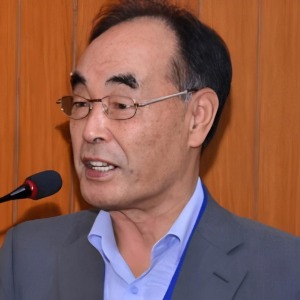
Dai Yeun Jeong
Asia Climate Change Education Center and Jeju National University, Korea, Republic of
Carme Ferre Pavia
Universitat Autonoma de Barcelona, Spain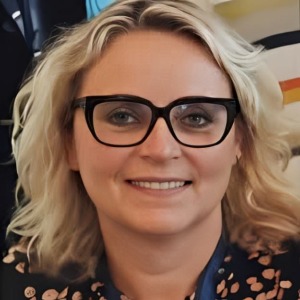
Heather M Coleman
Ulster University, Ireland
Angela Vande
Vamde consulting, Canada
Bence Hernadi
University of Pannonia, Hungary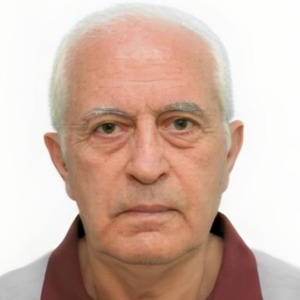
Tamaz Patarkalashvili
Technical University, Georgia


Title : Beyond 3R: The 4P proposal for strategic narratives on climate change
Carme Ferre Pavia, Universitat Autonoma de Barcelona, Spain
Title : Climate change and natural disasters: Predicting financial losses, managing volatility, and building financial resilience
Giuseppe Orlando, University of Bari, Italy
Title : Introducing the optimal carbon market: A comparative analysis of current conditions across four regions
Mohammad Imran Azizi, UNEP-Tongji Institute of Environment for Sustainable Development, China
Title : Turning waste into water treatment media: Waste-derived aggregates in nature-based solutions for treating diverse water matrices
Antonio Albuquerque, University of Beira Interior, Portugal
Title : Personalized, community- and population-related health in a changing and sustainable environment through the view of Personalized & Precision Healthcare (PPH): Its impact and role in preventing disease to maximize global health
Sergey Suchkov, N.D. Zelinskii Institute for Organic Chemistry of the Russian Academy of Sciences, Russian Federation
Title : Who bears the cost of a clean transition? Battery circularity and gender justice in India’s electric mobility shift
Sanoj, Jawaharlal Nehru University, Delhi, India