

Energy-efficient retrofits
Energy-efficient retrofits focus on upgrading existing buildings, industrial facilities, and infrastructure to reduce energy consumption, lower greenhouse gas emissions, and improve overall sustainability. Retrofitting measures can include installing high-efficiency HVAC systems, LED lighting, advanced insulation, double-glazed windows, and energy management systems. These improvements not only reduce operational costs but also enhance indoor comfort, air quality, and occupant productivity. By modernizing older structures, retrofits extend building lifespans while aligning with climate mitigation goals and energy efficiency standards. Integrating renewable energy sources further enhances efficiency and reduces dependence on fossil fuels. Retrofitting older buildings also supports local economies by creating jobs in construction, engineering, and green technologies.
Key strategies involve conducting energy audits to identify inefficiencies, prioritizing upgrades based on cost-effectiveness, and integrating renewable energy solutions such as solar panels or heat pumps. Smart technologies, including automated lighting, temperature controls, and monitoring systems, optimize energy usage and provide actionable insights for ongoing improvements. Government incentives, grants, and certification programs encourage adoption, while public education ensures that building owners understand the long-term benefits. Energy-efficient retrofits not only cut energy costs and reduce emissions but also enhance building resilience, occupant well-being, and urban sustainability. Regular monitoring and maintenance ensure that performance gains are sustained over time, contributing to broader climate and environmental goals.
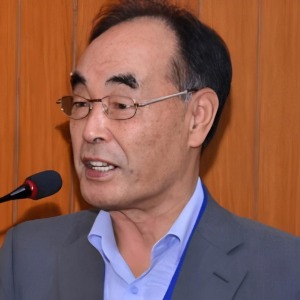
Dai Yeun Jeong
Asia Climate Change Education Center and Jeju National University, Korea, Republic of
Carme Ferre Pavia
Universitat Autonoma de Barcelona, Spain
Heather M Coleman
Ulster University, Ireland
Angela Vande
Vamde consulting, Canada
Bence Hernadi
University of Pannonia, Hungary
Tamaz Patarkalashvili
Technical University, Georgia


Title : Beyond 3R: The 4P proposal for strategic narratives on climate change
Carme Ferre Pavia, Universitat Autonoma de Barcelona, Spain
Title : Climate change and natural disasters: Predicting financial losses, managing volatility, and building financial resilience
Giuseppe Orlando, University of Bari, Italy
Title : Introducing the optimal carbon market: A comparative analysis of current conditions across four regions
Mohammad Imran Azizi, UNEP-Tongji Institute of Environment for Sustainable Development, China
Title : Turning waste into water treatment media: Waste-derived aggregates in nature-based solutions for treating diverse water matrices
Antonio Albuquerque, University of Beira Interior, Portugal
Title : Personalized, community- and population-related health in a changing and sustainable environment through the view of Personalized & Precision Healthcare (PPH): Its impact and role in preventing disease to maximize global health
Sergey Suchkov, N.D. Zelinskii Institute for Organic Chemistry of the Russian Academy of Sciences, Russian Federation
Title : Who bears the cost of a clean transition? Battery circularity and gender justice in India’s electric mobility shift
Sanoj, Jawaharlal Nehru University, Delhi, India