
Air Pollution Reduction Program Lead
Air pollution remains one of the most pressing environmental and public health challenges of our time, affecting urban centers, rural areas, and ecosystems alike. Tackling this issue requires not only technical solutions but also coordinated programs that monitor emissions, identify sources, and implement reduction strategies. The role of an air pollution reduction program lead is central to orchestrating these efforts, designing initiatives that minimize airborne contaminants while promoting cleaner industrial and transportation practices. By analyzing air quality data, evaluating emission trends, and integrating scientific research into actionable plans, they help communities and organizations achieve measurable improvements in air quality.
Collaboration and policy engagement are key components of the position. Air pollution reduction program leads work closely with municipal authorities, industry representatives, scientists, and community organizations to implement mitigation measures, develop regulatory strategies, and raise public awareness about air quality challenges. They may lead programs on emission control, urban green infrastructure, or clean energy adoption, ensuring interventions are effective and sustainable. Beyond technical oversight, they foster partnerships, guide educational campaigns, and monitor the impact of initiatives over time. By bridging science, policy, and community engagement, the air pollution reduction program lead helps create healthier environments, supports climate adaptation, and advances long-term sustainability goals. Their efforts directly contribute to reducing health risks, improving quality of life, and fostering cleaner, more resilient urban and rural environments.
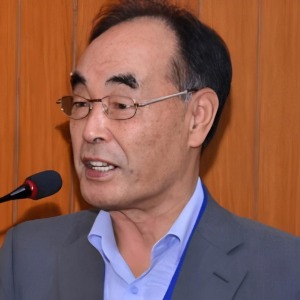
Dai Yeun Jeong
Asia Climate Change Education Center and Jeju National University, Korea, Republic of
Carme Ferre Pavia
Universitat Autonoma de Barcelona, Spain
Heather M Coleman
Ulster University, Ireland
Angela Vande
Vamde consulting, Canada
Bence Hernadi
University of Pannonia, Hungary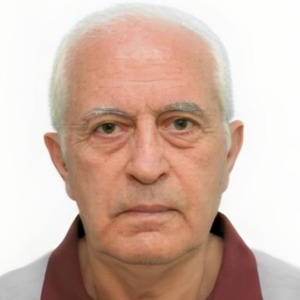
Tamaz Patarkalashvili
Technical University, Georgia


Title : Beyond 3R: The 4P proposal for strategic narratives on climate change
Carme Ferre Pavia, Universitat Autonoma de Barcelona, Spain
Title : Climate change and natural disasters: Predicting financial losses, managing volatility, and building financial resilience
Giuseppe Orlando, University of Bari, Italy
Title : Introducing the optimal carbon market: A comparative analysis of current conditions across four regions
Mohammad Imran Azizi, UNEP-Tongji Institute of Environment for Sustainable Development, China
Title : Turning waste into water treatment media: Waste-derived aggregates in nature-based solutions for treating diverse water matrices
Antonio Albuquerque, University of Beira Interior, Portugal
Title : Personalized, community- and population-related health in a changing and sustainable environment through the view of Personalized & Precision Healthcare (PPH): Its impact and role in preventing disease to maximize global health
Sergey Suchkov, N.D. Zelinskii Institute for Organic Chemistry of the Russian Academy of Sciences, Russian Federation
Title : Who bears the cost of a clean transition? Battery circularity and gender justice in India’s electric mobility shift
Sanoj, Jawaharlal Nehru University, Delhi, India