

Air pollution
Air pollution is the release of harmful substances into the atmosphere that degrade air quality and pose significant risks to both human health and the environment. It is primarily caused by industrial emissions, vehicle exhaust, agricultural practices, and the burning of fossil fuels. Major pollutants include particulate matter (PM), nitrogen oxides (NOx), sulfur dioxide (SO2), carbon monoxide (CO), and ground-level ozone (O3). These pollutants can combine to form smog, acid rain, and contribute to the greenhouse effect, accelerating climate change.
The health impacts of air pollution are wide-ranging. Short-term exposure can lead to irritation of the eyes, throat, and lungs, while long-term exposure increases the risk of respiratory diseases such as asthma, bronchitis, and even lung cancer. People living in urban areas or near industrial zones are particularly at risk. Beyond human health, air pollution affects ecosystems by damaging plants, contaminating soil and water sources, and contributing to the destruction of habitats. For example, acid rain, formed when sulfur dioxide and nitrogen oxides mix with moisture in the atmosphere, can weaken trees and harm aquatic life. Reducing air pollution requires collective action, including adopting cleaner energy sources, improving vehicle emissions standards, and promoting green technologies. Additionally, raising public awareness and encouraging individual actions, such as using public transport or reducing waste, can play a crucial role in combating air pollution and improving air quality.
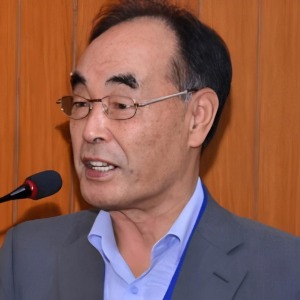
Dai Yeun Jeong
Asia Climate Change Education Center and Jeju National University, Korea, Republic of
Carme Ferre Pavia
Universitat Autonoma de Barcelona, Spain
Heather M Coleman
Ulster University, Ireland
Angela Vande
Vamde consulting, Canada
Bence Hernadi
University of Pannonia, Hungary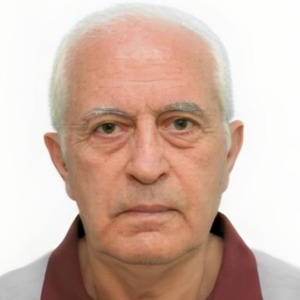
Tamaz Patarkalashvili
Technical University, Georgia


Title : Beyond 3R: The 4P proposal for strategic narratives on climate change
Carme Ferre Pavia, Universitat Autonoma de Barcelona, Spain
Title : Climate change and natural disasters: Predicting financial losses, managing volatility, and building financial resilience
Giuseppe Orlando, University of Bari, Italy
Title : Introducing the optimal carbon market: A comparative analysis of current conditions across four regions
Mohammad Imran Azizi, UNEP-Tongji Institute of Environment for Sustainable Development, China
Title : Turning waste into water treatment media: Waste-derived aggregates in nature-based solutions for treating diverse water matrices
Antonio Albuquerque, University of Beira Interior, Portugal
Title : Personalized, community- and population-related health in a changing and sustainable environment through the view of Personalized & Precision Healthcare (PPH): Its impact and role in preventing disease to maximize global health
Sergey Suchkov, N.D. Zelinskii Institute for Organic Chemistry of the Russian Academy of Sciences, Russian Federation
Title : Who bears the cost of a clean transition? Battery circularity and gender justice in India’s electric mobility shift
Sanoj, Jawaharlal Nehru University, Delhi, India