

Resource recovery
Resource recovery is the process of extracting valuable materials or energy from waste streams to reduce environmental impact and promote sustainable resource use. By recovering metals, plastics, organic matter, and energy from discarded materials, resource recovery minimizes the need for virgin resource extraction, which often leads to habitat destruction, pollution, and high carbon emissions. Techniques such as recycling, composting, anaerobic digestion, and waste-to-energy conversion are central to resource recovery efforts. This approach helps close the loop in material cycles, supports circular economy principles, and reduces landfill waste, contributing significantly to environmental conservation.
In the broader environment world, resource recovery plays a vital role in managing growing waste challenges while addressing climate change and resource scarcity. Cities and industries adopting resource recovery technologies can lower greenhouse gas emissions and decrease their ecological footprint. Furthermore, recovering resources creates economic opportunities, including jobs in recycling and renewable energy sectors, and fosters innovation in sustainable materials management. Policymakers are increasingly prioritizing resource recovery in environmental strategies to build resilient communities and protect ecosystems. Ultimately, efficient resource recovery is key to transitioning toward a sustainable, low-waste future that benefits both people and the planet. Investing in advanced technologies and community engagement will further accelerate these efforts globally.
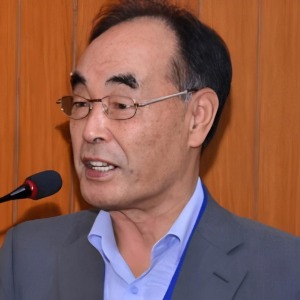
Dai Yeun Jeong
Asia Climate Change Education Center and Jeju National University, Korea, Republic of
Carme Ferre Pavia
Universitat Autonoma de Barcelona, Spain
Heather M Coleman
Ulster University, Ireland
Angela Vande
Vamde consulting, Canada
Bence Hernadi
University of Pannonia, Hungary
Tamaz Patarkalashvili
Technical University, Georgia


Title : Beyond 3R: The 4P proposal for strategic narratives on climate change
Carme Ferre Pavia, Universitat Autonoma de Barcelona, Spain
Title : Climate change and natural disasters: Predicting financial losses, managing volatility, and building financial resilience
Giuseppe Orlando, University of Bari, Italy
Title : Introducing the optimal carbon market: A comparative analysis of current conditions across four regions
Mohammad Imran Azizi, UNEP-Tongji Institute of Environment for Sustainable Development, China
Title : Turning waste into water treatment media: Waste-derived aggregates in nature-based solutions for treating diverse water matrices
Antonio Albuquerque, University of Beira Interior, Portugal
Title : Personalized, community- and population-related health in a changing and sustainable environment through the view of Personalized & Precision Healthcare (PPH): Its impact and role in preventing disease to maximize global health
Sergey Suchkov, N.D. Zelinskii Institute for Organic Chemistry of the Russian Academy of Sciences, Russian Federation
Title : Who bears the cost of a clean transition? Battery circularity and gender justice in India’s electric mobility shift
Sanoj, Jawaharlal Nehru University, Delhi, India