

Geothermal energy
Geothermal energy taps into the Earth’s natural heat stored beneath the surface to produce clean, renewable power and heating solutions. This energy is accessed by drilling wells into geothermal reservoirs that contain hot water and steam, which can then be used to drive turbines and generate electricity or provide direct heating for buildings and industrial processes. One of geothermal energy’s key advantages is its ability to provide a stable, continuous power supply regardless of weather conditions, unlike solar or wind energy. It also has a low carbon footprint and requires relatively small land areas, making it an environmentally friendly choice for sustainable energy production.
In addition to power generation, geothermal energy is widely used for heating homes, greenhouses, and spas, contributing to energy efficiency and cost savings. Countries like Iceland, New Zealand, and the United States have successfully integrated geothermal into their energy portfolios, capitalizing on their rich geothermal resources. However, geothermal projects require careful geological assessments to minimize risks such as earthquakes and groundwater contamination. Emerging technologies, such as enhanced geothermal systems (EGS), aim to expand the use of geothermal energy by creating artificial reservoirs in areas lacking natural steam sources. Overall, geothermal energy represents a reliable and renewable resource that supports climate change mitigation and energy diversification worldwide.
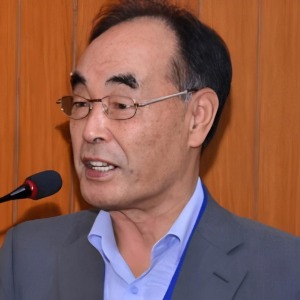
Dai Yeun Jeong
Asia Climate Change Education Center and Jeju National University, Korea, Republic of
Carme Ferre Pavia
Universitat Autonoma de Barcelona, Spain
Heather M Coleman
Ulster University, Ireland
Angela Vande
Vamde consulting, Canada
Bence Hernadi
University of Pannonia, Hungary
Tamaz Patarkalashvili
Technical University, Georgia


Title : Beyond 3R: The 4P proposal for strategic narratives on climate change
Carme Ferre Pavia, Universitat Autonoma de Barcelona, Spain
Title : Climate change and natural disasters: Predicting financial losses, managing volatility, and building financial resilience
Giuseppe Orlando, University of Bari, Italy
Title : Introducing the optimal carbon market: A comparative analysis of current conditions across four regions
Mohammad Imran Azizi, UNEP-Tongji Institute of Environment for Sustainable Development, China
Title : Turning waste into water treatment media: Waste-derived aggregates in nature-based solutions for treating diverse water matrices
Antonio Albuquerque, University of Beira Interior, Portugal
Title : Personalized, community- and population-related health in a changing and sustainable environment through the view of Personalized & Precision Healthcare (PPH): Its impact and role in preventing disease to maximize global health
Sergey Suchkov, N.D. Zelinskii Institute for Organic Chemistry of the Russian Academy of Sciences, Russian Federation
Title : Who bears the cost of a clean transition? Battery circularity and gender justice in India’s electric mobility shift
Sanoj, Jawaharlal Nehru University, Delhi, India