

Environmental microbiology
Environmental microbiology is the study of microorganisms and their interactions within natural environments such as soil, water, and air. These tiny organisms play a crucial role in maintaining ecosystem health by driving essential processes like nutrient cycling, decomposition, and pollutant degradation. For example, bacteria and fungi break down organic matter, releasing nutrients that support plant growth, while microbes in water bodies help purify water by breaking down contaminants. Understanding these microbial communities is vital for monitoring environmental quality and developing sustainable solutions for pollution control and ecosystem restoration.
In the broader environment world, environmental microbiology contributes significantly to addressing global challenges such as climate change, waste management, and soil degradation. Scientists study microbial responses to environmental stressors to develop biotechnologies that enhance carbon sequestration, treat wastewater, and remediate contaminated sites. Moreover, environmental microbiology helps reveal how microbes influence greenhouse gas emissions, providing insights into reducing the impacts of climate change. By advancing our knowledge of microbial ecosystems, environmental microbiology supports the development of innovative strategies to protect and restore the natural world, ultimately fostering healthier ecosystems and more sustainable human-environment interactions. Ultimately, environmental microbiology bridges the gap between microscopic life and global environmental health, highlighting how microbial communities sustain the planet’s balance and contribute to a more sustainable future.
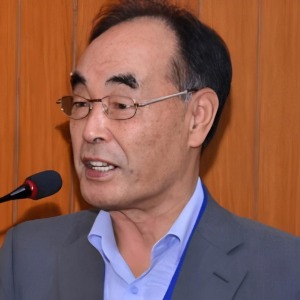
Dai Yeun Jeong
Asia Climate Change Education Center and Jeju National University, Korea, Republic of
Carme Ferre Pavia
Universitat Autonoma de Barcelona, Spain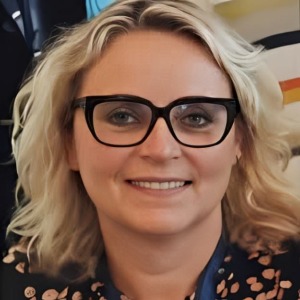
Heather M Coleman
Ulster University, Ireland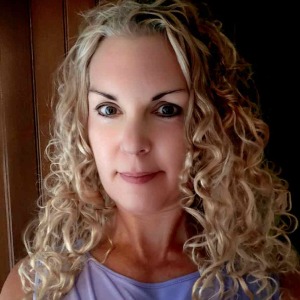
Angela Vande
Vamde consulting, Canada
Bence Hernadi
University of Pannonia, Hungary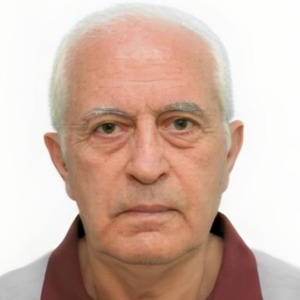
Tamaz Patarkalashvili
Technical University, Georgia


Title : Beyond 3R: The 4P proposal for strategic narratives on climate change
Carme Ferre Pavia, Universitat Autonoma de Barcelona, Spain
Title : Climate change and natural disasters: Predicting financial losses, managing volatility, and building financial resilience
Giuseppe Orlando, University of Bari, Italy
Title : Introducing the optimal carbon market: A comparative analysis of current conditions across four regions
Mohammad Imran Azizi, UNEP-Tongji Institute of Environment for Sustainable Development, China
Title : Turning waste into water treatment media: Waste-derived aggregates in nature-based solutions for treating diverse water matrices
Antonio Albuquerque, University of Beira Interior, Portugal
Title : Personalized, community- and population-related health in a changing and sustainable environment through the view of Personalized & Precision Healthcare (PPH): Its impact and role in preventing disease to maximize global health
Sergey Suchkov, N.D. Zelinskii Institute for Organic Chemistry of the Russian Academy of Sciences, Russian Federation
Title : Who bears the cost of a clean transition? Battery circularity and gender justice in India’s electric mobility shift
Sanoj, Jawaharlal Nehru University, Delhi, India