

Drought impact
Droughts have wide-ranging effects on ecosystems, economies, and human populations, often causing long-term environmental and social disruptions. A key consequence of drought is its impact on agriculture. A lack of rainfall leads to water shortages for crops and livestock, which results in lower crop yields and animal deaths. This can lead to food shortages, higher food prices, and economic losses, particularly in rural and agricultural communities. The scarcity of water also affects the availability of irrigation for farming, further exacerbating the decline in agricultural productivity.
The environmental consequences of drought are also significant. Water bodies such as rivers, lakes, and reservoirs shrink or dry up, leading to a loss of aquatic habitats and decreased biodiversity. Wetlands, which play a critical role in maintaining water quality and supporting wildlife, are especially vulnerable during droughts. Droughts also increase the risk of wildfires, as dry vegetation provides more fuel for fires, which can destroy large areas of forest and grassland, impacting both flora and fauna. Soil erosion and desertification can become more severe as vegetation dies off and the land loses its ability to retain moisture, exacerbating the effects of future droughts. On a societal level, drought impacts can lead to water scarcity, affecting urban water supplies, sanitation, and daily life. In regions where water is already limited, drought can lead to conflicts over resources and migration from affected areas.
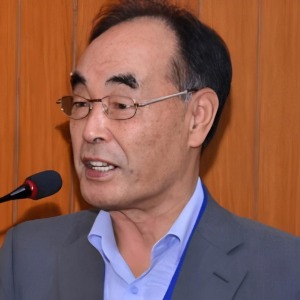
Dai Yeun Jeong
Asia Climate Change Education Center and Jeju National University, Korea, Republic of
Carme Ferre Pavia
Universitat Autonoma de Barcelona, Spain
Heather M Coleman
Ulster University, Ireland
Angela Vande
Vamde consulting, Canada
Bence Hernadi
University of Pannonia, Hungary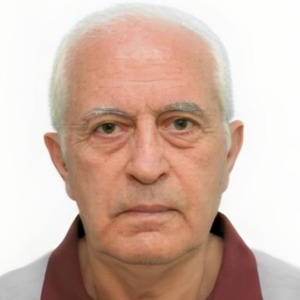
Tamaz Patarkalashvili
Technical University, Georgia


Title : Beyond 3R: The 4P proposal for strategic narratives on climate change
Carme Ferre Pavia, Universitat Autonoma de Barcelona, Spain
Title : Climate change and natural disasters: Predicting financial losses, managing volatility, and building financial resilience
Giuseppe Orlando, University of Bari, Italy
Title : Introducing the optimal carbon market: A comparative analysis of current conditions across four regions
Mohammad Imran Azizi, UNEP-Tongji Institute of Environment for Sustainable Development, China
Title : Turning waste into water treatment media: Waste-derived aggregates in nature-based solutions for treating diverse water matrices
Antonio Albuquerque, University of Beira Interior, Portugal
Title : Personalized, community- and population-related health in a changing and sustainable environment through the view of Personalized & Precision Healthcare (PPH): Its impact and role in preventing disease to maximize global health
Sergey Suchkov, N.D. Zelinskii Institute for Organic Chemistry of the Russian Academy of Sciences, Russian Federation
Title : Who bears the cost of a clean transition? Battery circularity and gender justice in India’s electric mobility shift
Sanoj, Jawaharlal Nehru University, Delhi, India