

Climate change
Climate change refers to significant and lasting changes in global weather patterns and temperatures, largely caused by human activities. The burning of fossil fuels such as coal, oil, and natural gas releases large amounts of greenhouse gases into the atmosphere. These gases trap heat and cause the Earth's average temperature to rise, a phenomenon known as global warming. As a result, we are witnessing more frequent extreme weather events, rising sea levels, prolonged droughts, melting glaciers, and disruption of natural ecosystems. These changes not only affect wildlife and natural habitats but also threaten food security, water supplies, and human health across the globe.
Fighting climate change requires urgent and coordinated action on multiple levels. Shifting to renewable energy sources, improving energy efficiency, protecting forests, and reducing waste are critical steps in lowering greenhouse gas emissions. International cooperation through agreements like the Paris Agreement encourages nations to commit to climate goals and reduce their environmental impact. On an individual level, people can contribute by adopting sustainable lifestyles—using public transport, conserving electricity, reducing meat consumption, and supporting green initiatives. Education and awareness are also key in inspiring collective action. Combating climate change is essential to building a safer, more sustainable future for both current and future generations.
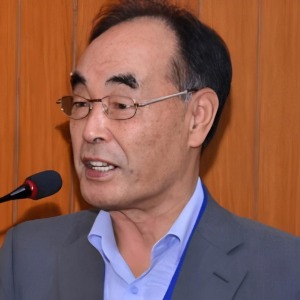
Dai Yeun Jeong
Asia Climate Change Education Center and Jeju National University, Korea, Republic of
Carme Ferre Pavia
Universitat Autonoma de Barcelona, Spain
Heather M Coleman
Ulster University, Ireland
Angela Vande
Vamde consulting, Canada
Bence Hernadi
University of Pannonia, Hungary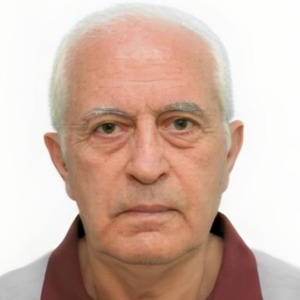
Tamaz Patarkalashvili
Technical University, Georgia


Title : Beyond 3R: The 4P proposal for strategic narratives on climate change
Carme Ferre Pavia, Universitat Autonoma de Barcelona, Spain
Title : Climate change and natural disasters: Predicting financial losses, managing volatility, and building financial resilience
Giuseppe Orlando, University of Bari, Italy
Title : Introducing the optimal carbon market: A comparative analysis of current conditions across four regions
Mohammad Imran Azizi, UNEP-Tongji Institute of Environment for Sustainable Development, China
Title : Turning waste into water treatment media: Waste-derived aggregates in nature-based solutions for treating diverse water matrices
Antonio Albuquerque, University of Beira Interior, Portugal
Title : Personalized, community- and population-related health in a changing and sustainable environment through the view of Personalized & Precision Healthcare (PPH): Its impact and role in preventing disease to maximize global health
Sergey Suchkov, N.D. Zelinskii Institute for Organic Chemistry of the Russian Academy of Sciences, Russian Federation
Title : Who bears the cost of a clean transition? Battery circularity and gender justice in India’s electric mobility shift
Sanoj, Jawaharlal Nehru University, Delhi, India