

Arctic ecosystem changes
Arctic ecosystem changes are unfolding rapidly as the region experiences some of the most dramatic impacts of climate change on Earth. Rising temperatures are causing sea ice to melt at unprecedented rates, disrupting the delicate balance of Arctic habitats. This loss of ice affects species like polar bears, walruses, and seals, which rely on sea ice for hunting, breeding, and resting. Thawing permafrost is releasing methane—a potent greenhouse gas—into the atmosphere, further accelerating global warming. These environmental shifts also impact migratory patterns, food webs, and the overall health of Arctic biodiversity.
Human activities, such as increased shipping, oil exploration, and commercial fishing, are further stressing Arctic ecosystems already vulnerable to climate disruption. Indigenous communities who depend on these ecosystems for subsistence and cultural identity face challenges as wildlife populations decline and weather becomes less predictable. Scientists and environmental organizations are calling for stronger protections, including restrictions on industrial activity, preservation of key habitats, and international cooperation to monitor and mitigate ecological damage. The Arctic is a critical indicator of planetary health, and changes there have global consequences—from rising sea levels to altered weather patterns. Protecting the Arctic means protecting a vital climate regulator, rich biodiversity, and irreplaceable cultural heritage.
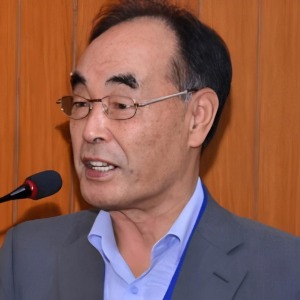
Dai Yeun Jeong
Asia Climate Change Education Center and Jeju National University, Korea, Republic of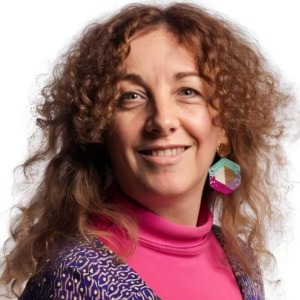
Carme Ferre Pavia
Universitat Autonoma de Barcelona, Spain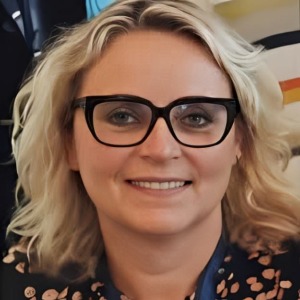
Heather M Coleman
Ulster University, Ireland
Angela Vande
Vamde consulting, Canada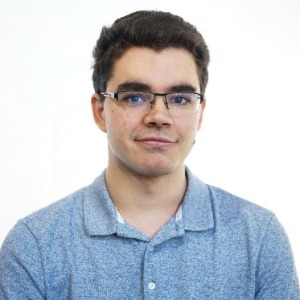
Bence Hernadi
University of Pannonia, Hungary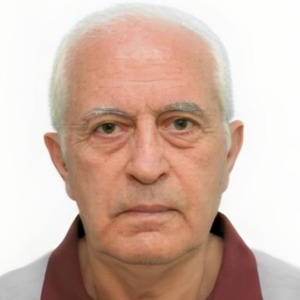
Tamaz Patarkalashvili
Technical University, Georgia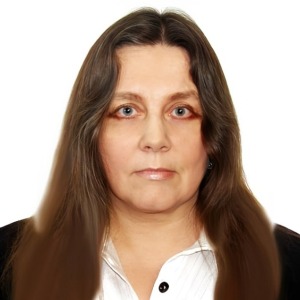


Title : Beyond 3R: The 4P proposal for strategic narratives on climate change
Carme Ferre Pavia, Universitat Autonoma de Barcelona, Spain
Title : Climate change and natural disasters: Predicting financial losses, managing volatility, and building financial resilience
Giuseppe Orlando, University of Bari, Italy
Title : Introducing the optimal carbon market: A comparative analysis of current conditions across four regions
Mohammad Imran Azizi, UNEP-Tongji Institute of Environment for Sustainable Development, China
Title : Turning waste into water treatment media: Waste-derived aggregates in nature-based solutions for treating diverse water matrices
Antonio Albuquerque, University of Beira Interior, Portugal
Title : Personalized, community- and population-related health in a changing and sustainable environment through the view of Personalized & Precision Healthcare (PPH): Its impact and role in preventing disease to maximize global health
Sergey Suchkov, N.D. Zelinskii Institute for Organic Chemistry of the Russian Academy of Sciences, Russian Federation
Title : Who bears the cost of a clean transition? Battery circularity and gender justice in India’s electric mobility shift
Sanoj, Jawaharlal Nehru University, Delhi, India