HYBRID EVENT: Join us in person in Rome, Italy or attend virtually from anywhere.
EnviWorld 2027

Machine learning-based prediction of heavy metal toxicity and LC50 estimation in African catfish (Clarias gariepinus): A predictive analytics approach to environmental monitoring

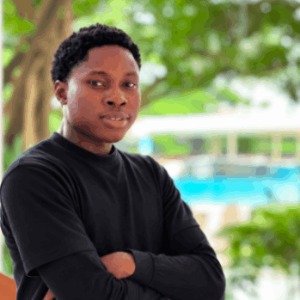
Ajiola Enoch Oluwabukunmi, Speaker at Environmental Science Conferences
University of Lagos, Nigeria
Title : Machine learning-based prediction of heavy metal toxicity and LC50 estimation in African catfish (Clarias gariepinus): A predictive analytics approach to environmental monitoring

Abstract:

Heavy metal contamination threatens aquatic ecosystems, yet conventional bioassays for toxicity assessment are time-consuming, costly and dependent on repeated animal testing. This study presents a machine learning framework for predicting acute mortality in African catfish (Clarias gariepinus) exposed to zinc and copper, and for estimating the median lethal concentration (LC50) from exposure and environmental parameters. Using a dataset of metal type, concentration, exposure duration, temperature, pH and dissolved oxygen, exploratory analysis revealed clear dose- and time-dependent mortality trends that varied by metal type. Three regression models (Random Forest, Support Vector Regression and XGBoost) were trained to predict percentage mortality and compared using mean absolute error, mean squared error and R-squared. The best-performing model was used to build an LC50 estimation function that scans a concentration gradient for the point of fifty percent predicted mortality, generating dose-response curves for any combination of metal type, exposure time and water quality. The model was serialized for deployment, and an interactive web application is in development to give researchers, regulators and industry stakeholders rapid, data-driven toxicity estimates for this economically important aquaculture species without additional laboratory testing. This approach shows how predictive analytics can complement traditional ecotoxicology, offering a scalable, reusable tool for environmental monitoring, risk screening and early-warning assessment of metal pollution in freshwater aquaculture, while reducing reliance on repeated bioassays. Future work will extend the model to additional metals and validate predictions against independent field datasets.
 

Biography:

Ajiola Oluwabukunmi works at the intersection of operations, technology and sustainability. Leading projects, programs, community and managing strategic partnerships.

He expertly designs, organizes, and executes large-scale initiatives that align seamlessly with organizational goals and deliver measurable impact. With my Project Management skills, he manage end-to-end project lifecycles, ensuring timely delivery and stakeholder satisfaction and as a passionate Community manager, he manage people and the ecosystem.

As a partnership manager, he build and manage high impact strategic partnerships to scale organizational goals. Supporting in capital formation, resources mobilization and green financing.

As a self-motivated and resourceful Data Analyst, he have a knack for transforming raw data into actionable insights that drive informed decisions and as a Power Platform developer, he leverage tools to build efficient business solutions and automate routine tasks.

Driven by a mission to create lasting impact and contribute to a better world, he am a dedicated advocate and volunteer for the United Nations Sustainable Development Goals (SDGs), with a strong focus on SDG 13 (Climate Action) and other environment-related goals, consistently leveraging my expertise to bridge the gap between data-driven solutions and a more sustainable future. he have a masters degree in Environmental toxicology and pollution management.
 

Signup for updates

By submitting this form, you are consenting to receive emails and notifications from Magnus Group. You can revoke your consent to receive emails at any time by using the Safe Unsubscribe link, found at the bottom of every email

Youtube
Watsapp