
HYBRID EVENT: You can participate in person at Barcelona, Spain from your home or work.
EnviWorld 2026

Spatial mapping of soil salinity in a semiarid region using a machine learning model based on spectral indices and ground data

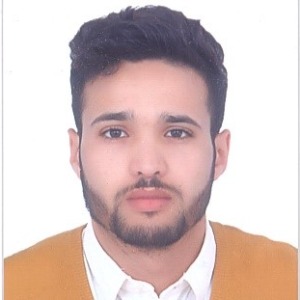
Khalid El Bahjaouy, Speaker at Environmental Science Conferences
University Sultan Moulay Slimane, Morocco
Title : Spatial mapping of soil salinity in a semiarid region using a machine learning model based on spectral indices and ground data

Abstract:

The expansion of intensive agriculture has led to increasing soil salinity worldwide. highlighting the critical need for accurate soil salinity measurements is essential to address this situation. In this context, digital soil salinity mapping becomes necessary to properly manage soil resources in limited data regions. Therefore, this study aimed to map soil salinity using a Random Forest (RF) model that incorporated several spectral indices and physicochemical properties in the Tadla Plain. 149 samples were used to investigate the physical and chemical characteristics of soils in the study area. the dataset was divided into 70% of the ground data for model training and 30% for validation. The results show that 81.1% of the studied soil is non-saline, 15,5% is slightly saline, and 3,4% is moderately saline. However, statistical metrics showed that the RF model performed well with a salinity index (SI6), achieving a correlation coefficient (R2) of 0.80 and Root Mean Square Error (RMSE) of 0.084. Salinity indices SI1, SI2, SI3, SI4, SI5, and SI7 yielded results with low precision, with R2 values below − 0.2. These findings provide valuable insights for developing strategies to mitigate soil salinity in semi-arid areas.

Biography:

Khalid El Bahjaouy a PhD student in Environmental Geosciences at the Faculty of Sciences and Techniques, University Sultan Moulay Slimane, Beni Mellal, Morocco. He holds a Master’s degree in Environmental Geomatics and a Bachelor’s degree in Geology from Ibn Zohr University, Agadir. His doctoral research focuses on the spatial estimation and mapping of soil salinity and other soil properties using remote sensing data, spectral indices, machine learning and active learning models. Khalid has developed strong experience in GIS, geostatistics, and digital soil mapping through several professional and academic projects. He has also worked as a geologist in the mining sector, contributing to geological mapping, environmental assessment, and resource exploration. His main research interests include soil degradation monitoring, digital soil mapping, environmental modeling, and sustainable land management in arid and semi-arid regions. Khalid aims to contribute to improving soil resource management using innovative geospatial approaches.

Signup for updates

By submitting this form, you are consenting to receive emails and notifications from Magnus Group. You can revoke your consent to receive emails at any time by using the Safe Unsubscribe link, found at the bottom of every email

Youtube
Watsapp